

This simple truth—when students learn what they love, they love what they learn—highlights a fundamental disconnect in how education is often delivered. For many students, especially those with neurodivergent learning profiles, the system fails to accommodate their unique ways of thinking and engaging with the world.
Traditional education systems emphasize standardization, focusing on getting the majority to perform at an acceptable level. While this might work for some, it often leaves behind students who think differently, turning the learning process into a frustrating and alienating experience.
The Flaws of Standardized Education
From an outsider's perspective, education can seem like a machine designed to produce uniform outcomes. But students are not uniform. Those with neurodivergent conditions such as dyslexia, ADHD, autism, or dyspraxia often find themselves struggling to keep up with expectations that fail to consider their distinct cognitive profiles.
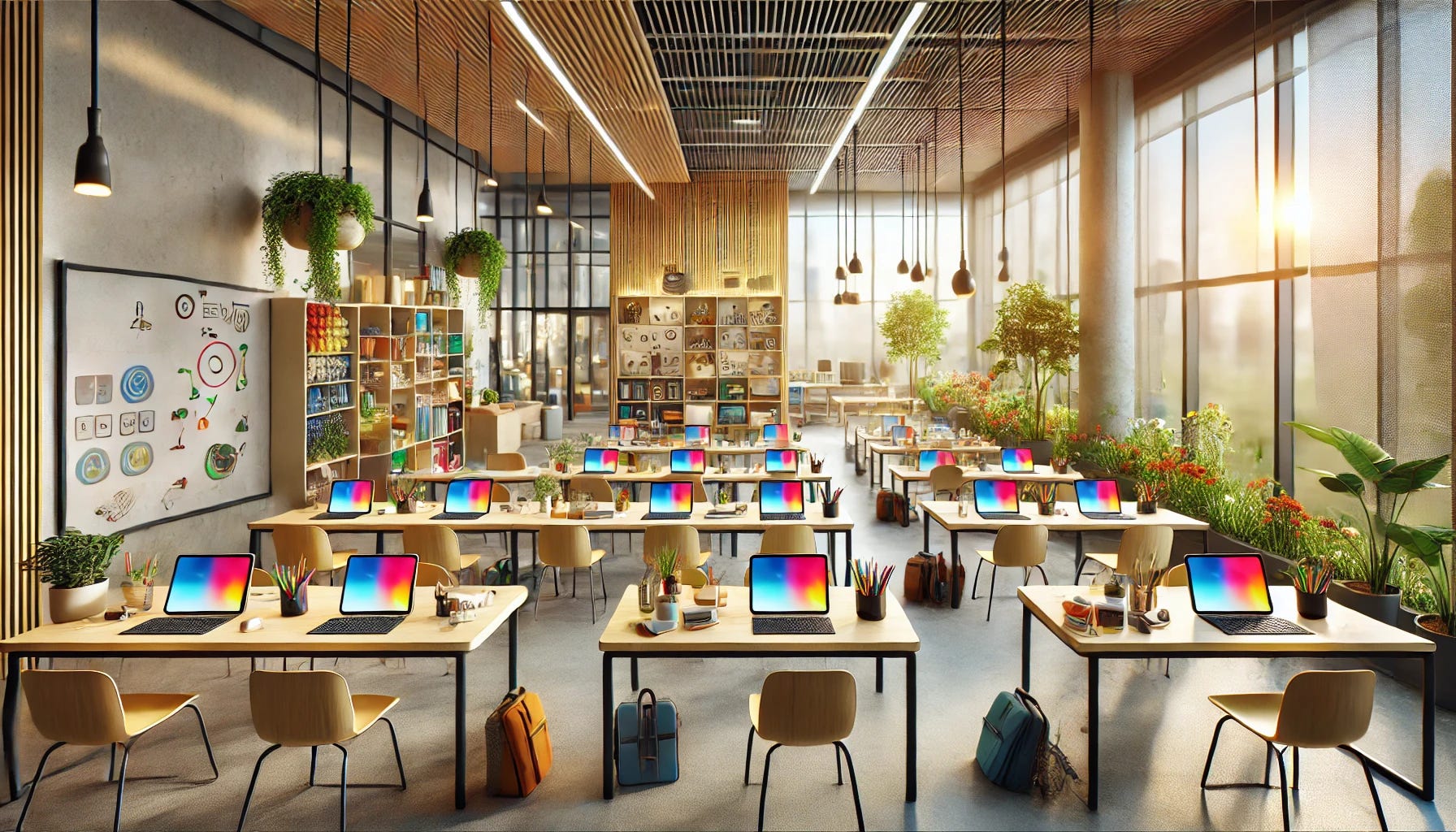
For example, a dyslexic student excelling in mathematics, further mathematics, and physics may be required to complete an Extended Project Qualification (EPQ) at A-Level—a task heavily dependent on writing skills. This mismatch between the student’s strengths and the demands of the task often results in undue stress, lower grades, and diminished self-confidence.
Such practices persist not out of malice, but due to institutional inertia. Systems built to prioritize efficiency and compliance leave little room for flexibility or innovation. This rigidity leads to what can only be described as a structured, yet deeply flawed, approach to education.
The Weight of Parental Expectations
In many international school communities, parents add another layer of pressure with predefined expectations for their children’s futures. A common narrative might dictate that a student pursue medicine, law, or engineering—professions traditionally associated with success.
But what happens when a child doesn’t fit into this mold? Rather than adapting plans to align with the child’s natural talents and passions, some parents double down. The result is a child pushed into a field like pharmacy with the eventual expectation of transitioning to medicine—despite their genuine interest lying elsewhere, such as performing arts.
By the time these students realize their true aspirations, they may have already invested years in a path that brings them little fulfillment. This misalignment robs them of the opportunity to excel and find joy in their work.
A Flexible Approach to Learning: The Key to Real Success
True success in education comes from recognizing and supporting individual strengths. For neurodivergent students, this means reshaping the system to celebrate diverse ways of thinking and learning.
Leveraging Strengths: Students should be encouraged to excel in areas where they shine. Why force a dyslexic student who excels in STEM to write essays that highlight their weaknesses instead of their abilities?
Empowering Accommodations: Tools like extra time in exams, access to assistive technology, and alternative formats for assignments create a level playing field without lowering standards.
Individualized Learning Plans: Instead of rigid curricula, schools should provide frameworks that allow students to customize their learning paths according to their interests and abilities.
The Shift We Need
Parents and educators alike must recognize that success is not a straight line. It’s not about ticking off a predefined list of milestones but about helping each individual find their unique path. This requires a cultural and institutional shift:
Rewriting the Script: Parents need to let go of rigid expectations and focus on their child’s strengths and happiness.
Prioritizing Passions: Students’ enthusiasm for their chosen fields—whether in science, the arts, or beyond—should be nurtured, not suppressed.
Rethinking Metrics: Schools must understand that traditional measures like GPAs and standardized test scores don’t always reflect a student’s true potential.
The Power of Focus for Elite Performance
Achieving excellence in any field requires commitment and focus. A student can’t become an elite performer if they’re stretched thin across tasks or fields that don’t align with their passions.
Whether it’s an aspiring physicist forced into unnecessary writing projects or a future performer navigating an unwelcome detour through pharmacy school, these misalignments prevent individuals from reaching their potential. Success comes from allowing students to go “all in” on what they love and excel at.
A Vision for the Future
To build an education system that works for everyone—neurodivergent learners included—we need to break free from outdated, rigid practices. Education should empower students to embrace their strengths and thrive on their own terms.
When children are given the freedom to learn what they love, they find joy in learning itself. This joy fosters not only academic success but also a lifelong passion for personal growth and achievement.
Global Education Testing: Helping You Succeed Your Way
At Global Education Testing, we believe in empowering individuals to reach their full potential. Our evidence-based assessments go beyond identifying learning challenges—they uncover strengths, guide personalized strategies, and pave the way for meaningful success.
Whether it’s helping students secure accommodations like extra exam time, designing tailored learning plans, or supporting professionals in achieving workplace success, we provide the tools and insights needed to thrive.
With Global Education Testing, you don’t have to fit into a mold. We help you create your own path to success—one that celebrates your unique abilities and aspirations.